A smooth dumpster rental experience depend upon considering vital elements, including accurate waste volume estimation, choosing the right dumpster size, and adhering to local laws. The rental period, shipment area, and packing methods additionally play an essential duty. Additionally, understanding weight and material limitations, along with additional fees, helps avoid unforeseen expenses. Efficient loading and security practices, waste monitoring ideal practices, and environmental effect understanding are also important. By prioritizing these aspects, you can guarantee a smooth and economical waste monitoring experience. Now, explore each of these elements extensive to maximize your dumpster rental efficiency.
Determining Your Waste Volume Needs
Determining your waste quantity needs is a vital action in guaranteeing you rent the best dumpster size for your job. This substantial computation will certainly protect against over- or under-estimation, which can bring about added costs, wasted area, or even job delays.
To accurately estimate your waste volume, think about the kind and amount of materials you'll be disposing of. For building jobs, determine the square video footage of the area to be remodelled or destroyed. For home cleanouts, gather boxes, bags, or containers and gauge their quantity. You can also speak with a waste monitoring expert or review online resources for guidance.
When determining waste volume, remember to make up bulky items like furnishings or devices, which use up a lot more space than their weight recommends. Furthermore, consider the density of materials, as much heavier items like concrete or dirt inhabit less room than lighter materials like drywall or roofing materials.
Choosing the Right Dumpster Size
Selecting the ideal dumpster size is a critical decision that can make or break the effectiveness of your waste management project A dumpster that is too tiny will certainly bring about multiple journeys to the landfill, enhancing costs and job duration.
On the various other hand, a dumpster that is too huge will certainly cause wasted space and unnecessary expenses. To choose the right dumpster size, consider the type and quantity of waste you need to deal with. As an example, construction debris, such as lumber and drywall, will call for a larger dumpster than family trash.
Additionally, think of the space constraints of your task site, consisting of the area where the dumpster will certainly be positioned and the accessibility of the location. By very carefully examining your waste management needs, you can pick a dumpster dimension that fulfills your task's certain demands, making sure a smooth and reliable waste disposal process.
Understanding Neighborhood Dumpster Regulations
As you prepare to rent out a dumpster, it's essential to consider the regulatory landscape of your local area, as falling short to follow local regulations can cause penalties, fines, and even project delays
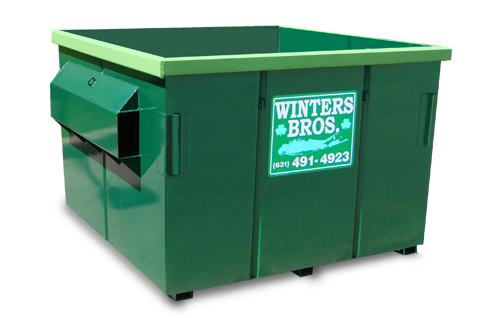
Understanding local dumpster regulations guarantees a smooth rental experience and aids you avoid expensive mistakes.
Check with your local government for specific rules and limitations on dumpster positioning, size, and https://penzu.com/p/d6b3a8f783667531 type. Some locations may have noise regulations or limitations on over night dumpster placement.
Additionally, some neighborhoods or property owners' associations might have specific policies governing dumpster rentals. Be aware of any necessary permits or licenses required for your project.
Selecting the very best Rental Period
Once you have actually verified compliance with local policies, it's time to focus on the logistics of your dumpster rental.
A vital element to think about is the rental period This will rely on the extent and period of your project. For smaller projects, such as cleaning a solitary space, a much shorter rental period of 3-5 days might be sufficient. Nonetheless, for larger projects like renovations or construction, you may need a much longer rental duration of 7-14 days or even a month.
When identifying the rental period, think about the pace of your task, the quantity of waste you'll generate, and the availability of the dumpster. You do not want to hurry your job or be stuck to a complete dumpster for a prolonged period.
On the various other hand, you don't wish to spend for unneeded rental days. Be reasonable concerning your project timeline and plan accordingly. By picking the right rental period, you'll assure a smooth and efficient dumpster rental experience.
Preparing the Distribution Location
During the dumpster rental process, an essential yet typically overlooked step is preparing the delivery location, which can considerably influence the success of your project. A well-prepared delivery place guarantees a smooth and effective dumpster shipment, saving you time and potential headaches.
To prepare the shipment place, begin by getting rid of the area of any challenges, such as cars and trucks, trees, or high-voltage line, that may block the dumpster's path. Make certain the surface is level and firm, as soft or uneven ground can cause the dumpster to change or tip over.
Additionally, designate a specific location for the dumpster, thinking about the dimension and sort of dumpster you have actually rented. Lastly, validate that the shipment area is easily accessible for the delivery truck, with a clear course for the vehicle driver to navigate.
Understanding Weight and Material Limits
Frequently, property owners and specialists underestimate the significance of comprehending weight and product restrictions when renting a dumpster, which can lead to unanticipated prices, delays, and also security hazards.
Understanding these restrictions is essential to assure a smooth and successful dumpster rental experience.
- Weight limits: A lot of dumpsters feature weight restrictions, normally ranging from 1-10 heaps, depending on the dumpster dimension and kind. Surpassing these limitations can lead to additional costs or even require an additional dumpster delivery. Material restrictions: Particular materials, such as hazardous waste, electronic devices, and batteries, are forbidden from being dealt with in a dumpster as a result of ecological and security guidelines. It is necessary to comprehend what materials are permitted and what needs special handling. Overloading risks: Overwhelming a dumpster can cause damages to the container, the surrounding residential property, and also wound individuals close by. It's crucial to approximate the weight and quantity of the waste precisely to stay clear of overloading the dumpster.
Planning for Reliable Loading
Proper loading is essential to a successful dumpster rental experience, and understanding weight and material limits is only half the battle.
To guarantee effective packing, it's important to plan ahead and take into consideration the logistics of filling your dumpster. Start by damaging down bigger items right into smaller, much more workable items to make best use of area. This will assist stop clutter and enable you to fit more waste into the dumpster.
Additionally, consider the order in which you pack items, placing heavier items at the bottom and lighter ones on top. This will help maintain equilibrium and avoid the dumpster from ending up being too heavy or unstable.
Finally, be mindful of any kind of prohibited items and keep them separate from acceptable waste to avoid contamination.
Considering Extra Rental Fees
As you finalize your dumpster rental plans, it is essential to think about the possibility of incurring added fees beyond the initial rental cost.
These charges can rapidly build up, and recognizing what they require will certainly aid you prepare your spending plan accordingly.
Some typical additional fees to think about consist of:
- Overage fees: If you go beyond the weight or volume capability of your dumpster, you might be charged extra for the excess waste. Extended rental periods: If you need the dumpster for a longer duration than at first set, you may sustain added daily or weekly rental fees. Special waste disposal fees: Specific sorts of waste, such as harmful materials or electronics, might require special delivery and disposal, resulting in added fees.
Ensuring Safe Dumpster Operation
Operating a dumpster safely is important to avoid mishaps and injuries on your residential or commercial property. To ensure risk-free operation, it's necessary to comply with the guidelines given by the rental firm and take required precautions.
Start by putting the dumpster on a level surface, far from high-voltage line, trees, and various other challenges. Verify the dumpster is securely locked when not being used to stop unapproved access. Additionally, maintain kids and family pets far from the dumpster to stay clear of potential harm.
When packing the dumpster, adhere to the weight capacity and do not overload it, as this can cause the dumpster to tip over or collapse. Maintain the surrounding location clean and free from debris to prevent tripping hazards

Scheduling a Prompt Pickup
Once you've validated safe dumpster procedure, it's time to focus on organizing a prompt pickup to preserve a smooth waste management process.
A timely pick-up is crucial to stay clear of any kind of disturbances to your task or everyday procedures. It's important to prepare in advance and schedule the pickup at a convenient time to assure that the dumpster is removed before it ends up being a nuisance.
To warranty a smooth pickup process, think about the following:
- Plan ahead: Schedule the pickup a minimum of 24-48 hours beforehand to verify accessibility and prevent any type of last-minute hassles. Choose a practical time: Select a time that works finest for your timetable, thinking about any kind of possible disruptions to your operations or everyday activities. Confirm the details: Double-check the pick-up details with your dumpster rental carrier to make sure that everyone gets on the exact same page.